Gutter Replacement vs Repair: When Replacement Is the Better Investment?
May 27, 2026
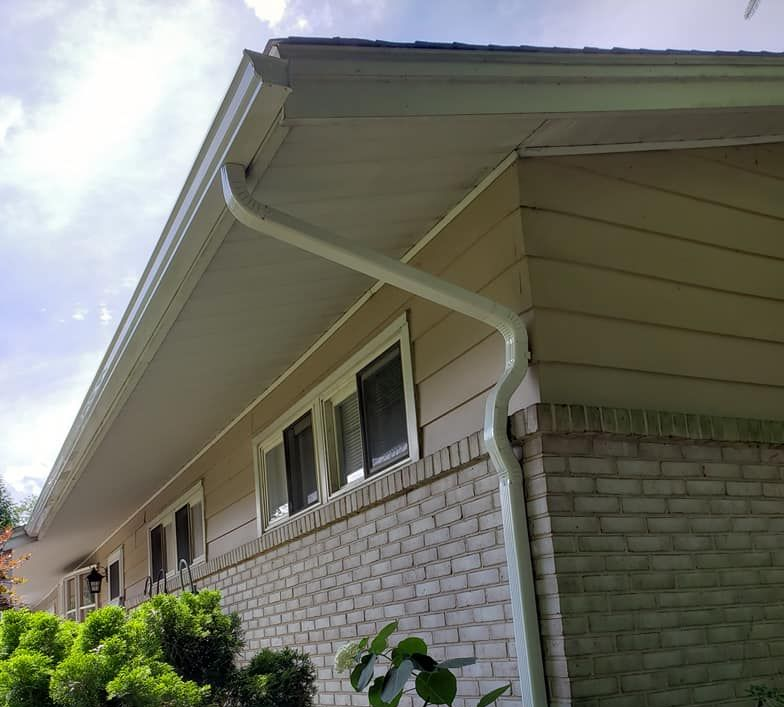
Gutters play a critical role in protecting residential and commercial structures from water-related damage, yet they are often overlooked until visible issues begin to appear. Over time, exposure to rain, debris, temperature changes, and seasonal stress can weaken gutter systems, leading to leaks, sagging, or complete failure. When these problems arise, property owners are often faced with an important decision: whether to repair the existing system or invest in a full replacement. This choice directly impacts long-term structural safety and maintenance planning for any property. Regular inspection and timely upkeep can significantly slow this deterioration and help identify issues before they escalate. Ignoring early signs often results in more extensive damage that affects roofs, walls, and foundations.
This decision is not always straightforward, as both options come with financial and structural implications. Repairs may seem cost-effective in the short term, but recurring issues can signal deeper deterioration that cannot be resolved with patchwork solutions. On the other hand, replacement requires a higher upfront investment but can deliver long-term protection, improved performance, and reduced maintenance needs. Understanding when each option is appropriate is essential for maintaining the integrity of a property’s drainage system. Careful evaluation of system condition often determines the most practical outcome.
In this blog, we explore the key differences between gutter repair and replacement, the warning signs that indicate system failure, and the factors that help determine the better long-term investment. The goal is to provide clear, practical insight that supports informed decision-making for lasting property protection. By understanding these aspects, property owners can avoid unnecessary expenses and ensure stronger structural performance over time. This knowledge also helps in planning maintenance more efficiently and extending the overall lifespan of the drainage system. Ultimately, proactive decisions contribute to better property value retention and reduced risk of water damage.
Understanding Gutter Damage and System Lifespan
Common Causes of Gutter Failure
Gutter systems deteriorate due to continuous exposure to environmental stress. Heavy rainfall, clogged debris, rust formation, and improper installation all contribute to gradual weakening. In many cases, small issues go unnoticed until water overflow or visible structural damage appears along the roofline or foundation, creating long-term property risks.
Natural Wear Over Time
Even high-quality gutters have a limited lifespan. Aluminum systems typically last longer than vinyl, but both eventually experience fatigue from expansion and contraction caused by temperature fluctuations. Joints loosen, sealants degrade, and brackets lose strength, leading to reduced performance and inconsistent water flow management over time.
When Damage Becomes Systemic
Isolated issues such as a small leak or loose bracket can often be repaired. However, when multiple sections begin failing simultaneously, it usually indicates systemic deterioration. At this stage, continued repairs may only delay the inevitable need for replacement rather than solving the root problem affecting overall drainage performance.
Gutter Repair: When It Still Makes Sense
Minor Leaks and Sealing Issues
Small leaks at joints or seams are among the most common repairable issues. These can often be addressed through resealing or replacing a section of the sealant. When the structure of the gutter remains intact, repairs can extend its lifespan without significant cost or disruption to water flow.
Fixing Loose Fasteners and Alignment Problems
Gutters may sag or pull away from the fascia due to loose hangers or fasteners. Reattaching and reinforcing these components can restore proper alignment and water flow. This type of repair is generally effective when the system is otherwise in good condition and structurally stable overall.
Partial Section Replacement
Sometimes only a small section of the gutter is damaged due to impact or localized rust. Replacing that segment while keeping the rest of the system intact is a practical solution, especially when the remaining structure is stable and functional without broader weaknesses.
Limitations of Repair-Only Approach
While repairs can be useful, they are often temporary if the system is aging. Repeated service calls, recurring leaks, and patchwork fixes may indicate that the underlying structure is no longer reliable. In such cases, repair becomes a short-term solution rather than a sustainable investment for property protection.
Gutter Replacement: A Long-Term Investment Perspective
Full System Failure Indicators
Replacement becomes necessary when gutters show widespread corrosion, multiple leaks, or persistent overflow issues. If water damage is visible on siding, foundation, or landscaping, the system is no longer performing its core function of directing water safely away from the property.
Structural Integrity and Safety
Old or failing gutters can detach during storms, creating safety hazards and property damage risks. Replacement ensures secure installation with modern materials designed to withstand environmental stress more efficiently, reducing risk during heavy rainfall conditions.
Improved Water Management Efficiency
Modern gutter systems are designed with better flow capacity and improved drainage angles. Replacement allows for upgraded performance that reduces clogging, overflow, and maintenance frequency, improving long-term reliability and seasonal resilience.
Long-Term Cost Efficiency
Although replacement involves higher initial cost, it reduces ongoing repair expenses. Frequent repairs over time can surpass the cost of a new system, making replacement a more economical choice in the long run while improving overall property protection.
Key Factors That Influence the Decision
Age of the Existing System
Age is one of the most reliable indicators of whether repair or replacement is appropriate. Systems nearing or exceeding their expected lifespan often experience repeated failures, even after repair work, signaling declining structural reliability overall.
Extent of Damage
Localized damage can be repaired, but widespread deterioration across multiple sections typically signals the need for full replacement. Evaluating the spread of damage is essential for accurate decision-making and avoiding repeated ineffective repair attempts.
Material Type and Condition
Different materials age differently. Vinyl may crack under pressure, aluminum may corrode, and steel may rust. The condition of the material determines whether repair efforts will hold over time or fail under continued environmental exposure.
Frequency of Maintenance
If gutters require frequent cleaning, sealing, or adjustment, it indicates declining performance. A system that constantly demands attention is often nearing the end of its functional life and may no longer justify ongoing repair investment.
Property Protection Needs
Properties located in areas with heavy rainfall or seasonal storms require more reliable drainage systems. In such environments, replacement often provides better protection against long-term structural damage and moisture-related foundation issues.
Cost vs Value: Making the Practical Choice
Short-Term Savings vs Long-Term Stability
Repairing gutters may appear more affordable initially, but repeated issues can lead to escalating costs. Replacement offers stability by eliminating recurring repair cycles and reducing long-term maintenance interruptions significantly.
Hidden Costs of Neglect
Ignoring deteriorating gutters can result in water damage to foundations, basements, and exterior walls. These repairs are significantly more expensive than addressing the gutter system early before structural damage spreads across the property.
Return on Investment Perspective
A properly installed replacement system enhances property value by improving structural protection and reducing future maintenance concerns. This makes it a strategic investment rather than just an expense tied to immediate repair needs.
Practical Decision Framework
The decision should be based on condition, frequency of issues, and long-term performance expectations rather than immediate cost alone. A balanced evaluation leads to better outcomes and prevents repeated financial strain over time.
Best Practices for Maintenance and Longevity
Regular Inspection Routine
Proper Cleaning Schedule
Clearing leaves, dirt, and debris prevents blockages that lead to overflow and structural strain. Consistent cleaning supports smooth water flow throughout the system and reduces pressure on joints and downspouts over time.
Professional Assessment
Periodic evaluation by experienced service providers ensures that hidden issues are identified before they escalate. Professional insight helps determine whether continued repair or replacement is the better option for long-term property protection.
Professional Gutter Guidance For Smarter Property Decisions
Choosing between gutter repair and replacement depends on system condition, age, and long-term performance expectations. Repairs are suitable for isolated issues and newer systems, while replacement becomes necessary when damage is widespread or recurring. Evaluating structural integrity, maintenance frequency, and water management efficiency helps determine the most practical and cost-effective decision. A well-maintained or newly replaced gutter system protects roofing, siding, and foundation from moisture-related damage and preserves overall property stability.
When gutters begin to fail repeatedly, continued repairs often provide only temporary relief. Replacement ensures stronger performance, improved drainage capacity, and reduced maintenance demands over time. Making the right choice at the right stage prevents unnecessary expenses and protects structural value for years ahead.
We at Drip Free Seamless Gutter LLC
understand how critical proper water management is for every property. With over 30
years of hands-on experience in gutter services, we focus on delivering dependable solutions that support long-term protection and performance. Our approach is built on careful evaluation, quality workmanship, and practical recommendations tailored to each property’s condition. We prioritize durability and precision in every installation and repair, ensuring drainage systems perform under real-world weather conditions. Our commitment is to help property owners make informed decisions that prevent costly water damage and maintain structural integrity for years to come.