The Detail Homeowners Get Wrong When Matching Gutter Color and Material
September 14, 2026
What to Check First When You Notice a Problem
TIP: Pour a five gallon bucket of water into the gutter at the end farthest from the downspout. If it drains briskly and exits clean, your slope and outlet are fine and any issue is a localized clog. If it pools or backs up, you have a pitch problem or a deeper blockage.
QUICK ANSWER: Gutter color and material aren't separate decisions — the metal you pick decides which finishes are even on the table, and the finish decides how that color holds up over the next twenty years. Aluminum comes in the widest range of factory-baked colors and won't rust, which is why most homes end up with it. Steel and copper get chosen less for color variety and more for their look and feel — copper especially, since its color changes on its own over time and can't really be picked at all. Matching gutters to the fascia board gives a built-in, finished look, while matching them to the roof lets the roofline fade into the background. A deliberate contrast, like dark gutters against light siding, does the opposite and draws the eye straight to a clean roofline. None of that matters much if the finish can't survive a Pennsylvania winter, so climate has to enter the conversation before color does.
A homeowner outside Mifflinburg spent a full weekend picking her front door color, coordinated the shutters to match, and then let the gutter crew install whatever aluminum happened to be sitting on the truck. Two years later, the white gutters against her deep red door and charcoal shutters looked like they belonged to a different house. They weren't wrong, exactly. They just weren't part of the plan.
That's the piece people miss. Gutters run the full perimeter of a house at eye level with the trim, the siding, and the roof edge — more visual real estate than most exterior features get. Get the color and material right, and they disappear into the design the way a good picture frame disappears into a photograph. Get it wrong, and the eye catches on it every time you pull into the driveway.
Why the Metal Comes Before the Color
Homeowners usually start with a color in mind — black, bronze, a shade that matches the shutters — and work backward from there. It's faster to work the other direction. The material determines the real menu of colors available, and skipping that step leads to a lot of wasted phone calls.
Aluminum
This is the material behind most residential gutter systems, for good reason. It doesn't rust, it's light enough to hang without extra structural bracing, and it comes in a long list of factory-applied colors that are baked onto the metal during manufacturing rather than sprayed on afterward. That baked-on finish is why aluminum gutters hold their color instead of chipping or peeling the way a field-painted surface eventually does. Aluminum typically comes in two gauges, .027 and .032 inch — the thicker one resists dents from branches, ladders, and debris noticeably better, which matters under the kind of hardwood canopy common through Snyder and Union counties.
Steel
Galvanized steel gutters get their rust resistance from a zinc coating, and that coating does its job for years before it starts to wear thin. Once it does, rust shows up wherever water sits — which is exactly the failure mode steel is prone to if debris collects and holds moisture against the metal. Steel also handles more weight than aluminum before it bends, which appeals to some homeowners in snow-heavy areas, but it can crack under the kind of hard freeze-thaw swings Central Pennsylvania sees every winter. Color-wise, steel can be painted or factory-coated much like aluminum, just with a narrower list of stock options.
Copper
Copper isn't really a "color" decision at all. Fresh copper gutters go up bright and almost pink-toned, then start shifting within months as the surface reacts with air and rain. Over several years that shift moves through darker browns and eventually into the blue-green patina most people associate with old church roofs and weathered statues — and that oxide layer isn't just cosmetic. It's a natural barrier that protects the metal underneath, which is part of why well-installed copper systems can outlast aluminum and steel by decades. Homeowners who want a copper look without waiting years for that shift sometimes ask about pre-weathered or faux-patina finishes, but true copper earns its color the slow way.
TIP: If hardwood debris is heavy on your lot — oak, maple, and walnut canopy is common through this whole service area — ask about the thicker aluminum gauge before you ask about color options. A dent or a hairline crack from a falling limb will do more damage to your gutters' appearance than any color choice ever will.
Matching Color to the House You Actually Have
Once the material is settled, color comes down to three reference points: the fascia board the gutter mounts to, the roofline above it, and the siding around it. Most houses look best when the gutter leans toward one of those three rather than trying to split the difference.
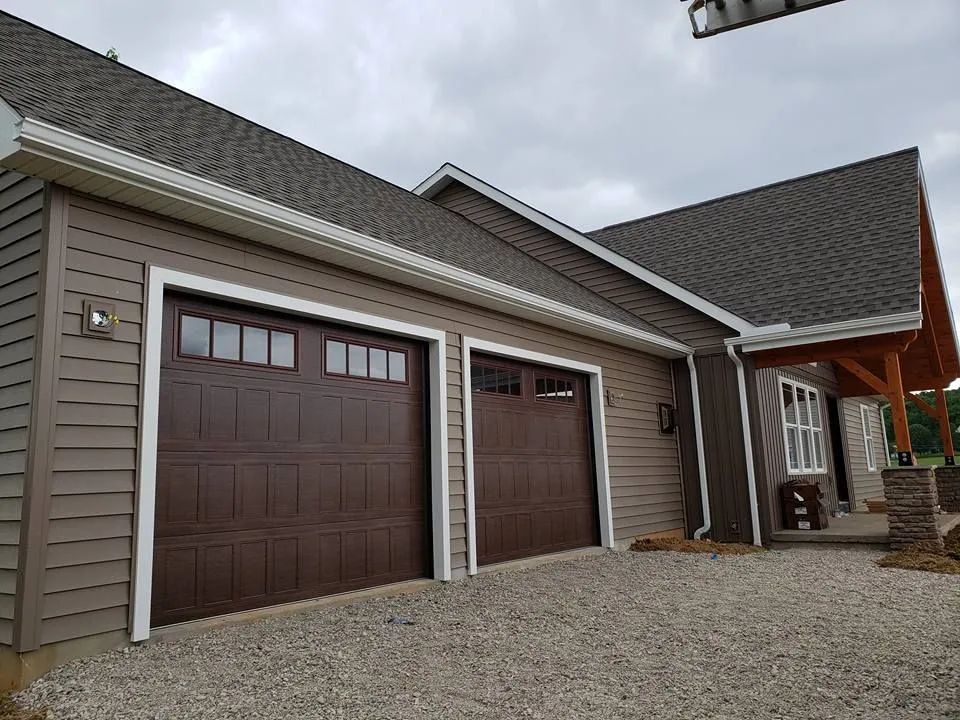
Matching the fascia is the safest move and the one that works across nearly every architectural style, from a Victorian farmhouse outside Middleburg to a newer colonial near Selinsgrove. When the gutter color matches the trim it's attached to, it reads as part of the house rather than something bolted on afterward. This is the approach that disappears best in photographs and in person.
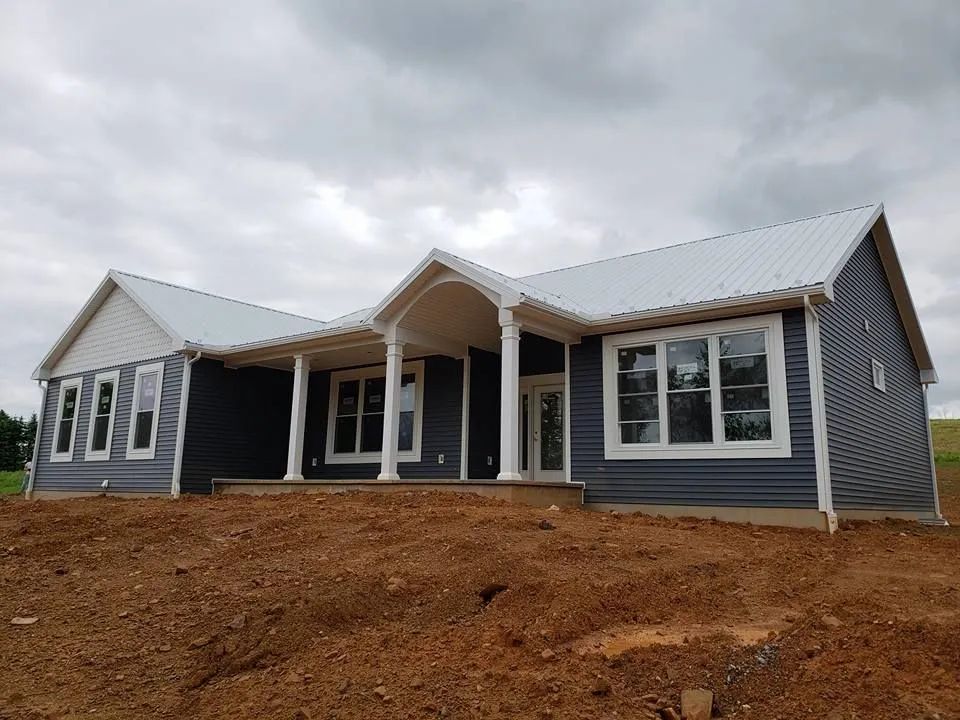
Matching the roof instead of the trim has a quieter effect. It lets the roofline recede and keeps attention on the architecture rather than the water management system running along its edge. This works particularly well on homes with a strong or busy trim color that would otherwise clash with a matching gutter.
Contrast is a design choice, not a mistake, but it works best when it's intentional. Black or dark bronze gutters against white or light gray siding create a crisp line that suits a lot of the newer farmhouse-style builds going up around Lewisburg and Danville. On a home with a lot of architectural detail already competing for attention — gingerbread trim, multiple siding materials, ornate brackets — that same contrast can feel busy instead of sharp. Know which kind of house you have before committing to a bold line.
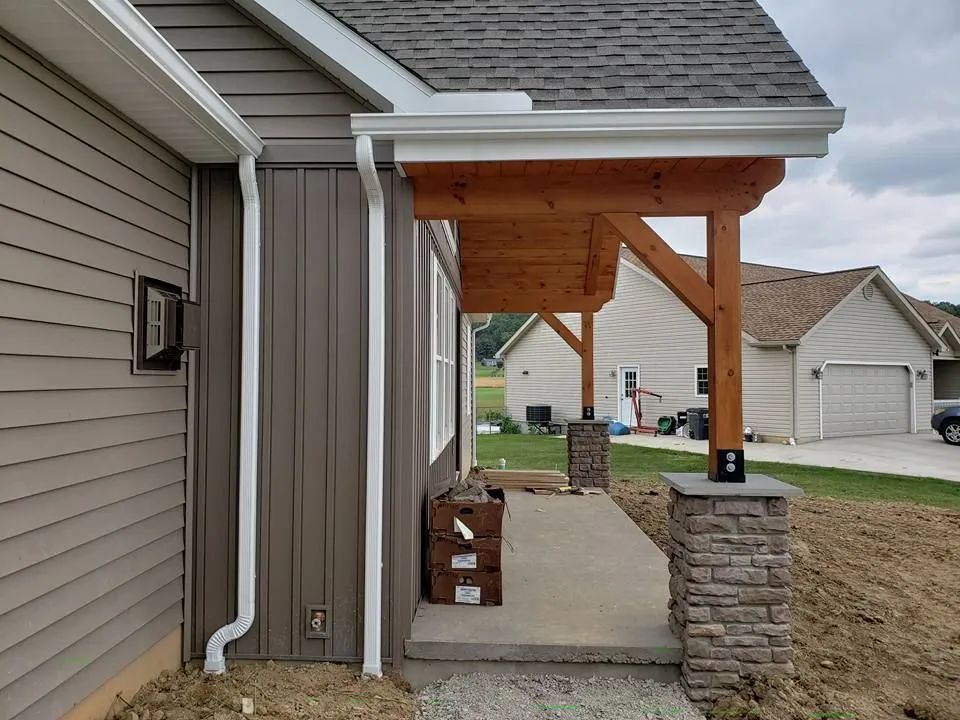
Downspouts deserve a decision of their own, since they run vertically along the full height of the house and cover more visible surface than most homeowners expect. Matching the downspout to the siding behind it makes it disappear; matching it to the gutter instead makes the whole system read as one continuous piece from roofline to ground. Either approach works. What doesn't work is picking one downspout color and a different gutter color without a reason behind the split.
What Central Pennsylvania Actually Does to a Finish
Color choices made in a showroom or a sample book don't always survive contact with a real Central PA winter. This region runs through genuine four-season stress — hard freezes, spring thaw, humid summers, and a fall leaf drop from hardwood trees that's heavier than what a lot of national buying guides assume.
Freeze-thaw cycling is the big one. Water that sits in a gutter or clings to a seam expands as it freezes and contracts as it thaws, and it does that dozens of times over a typical winter here. A factory-applied finish handles that expansion and contraction far better than a field-painted one, which is one more reason prefinished aluminum tends to outperform anything painted on-site once real weather sets in. Steel gutters face the same freeze-thaw stress on the metal itself, not just the coating, which is part of why cracking shows up more often on steel than on aluminum in this climate.
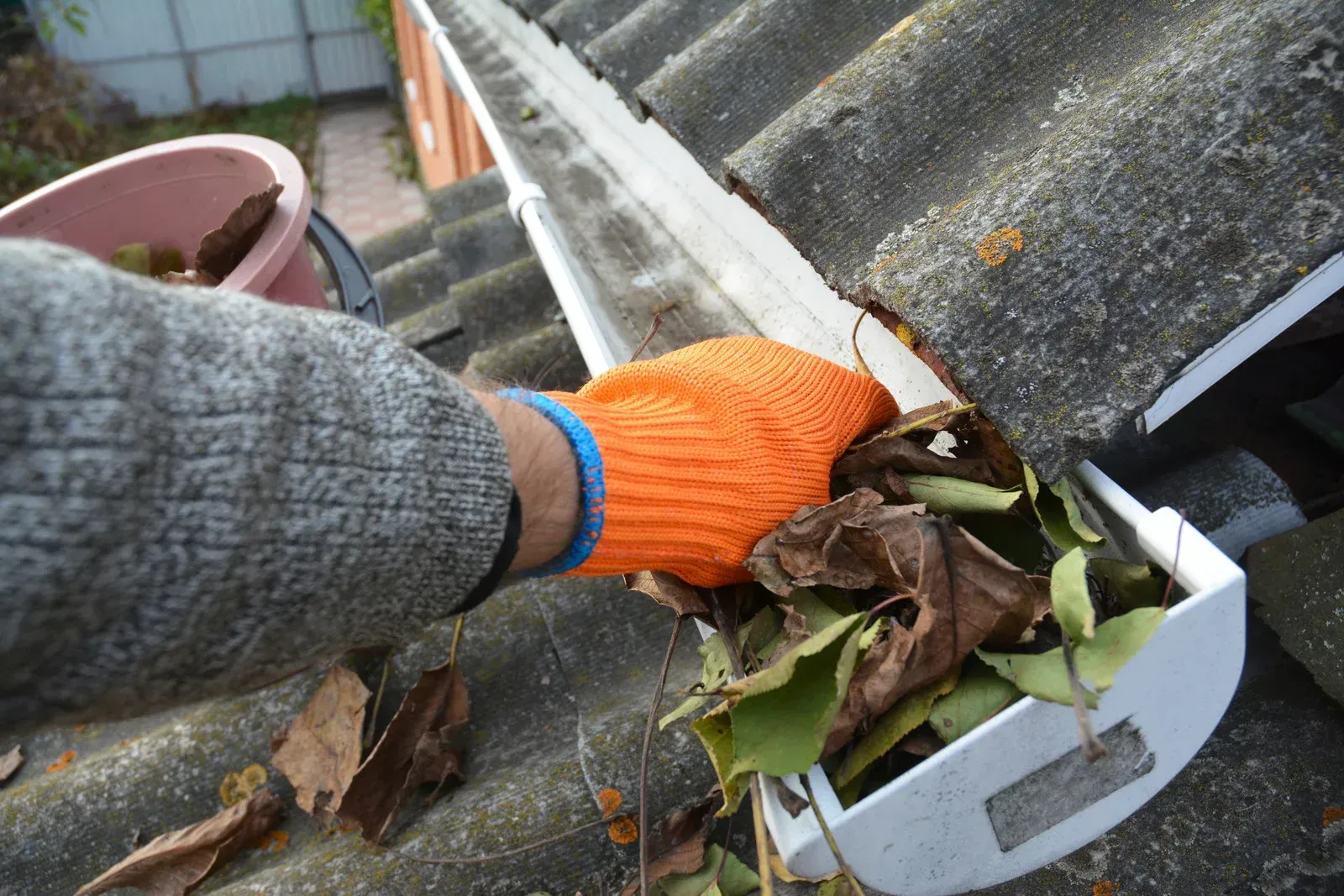
Then there's the leaf load. Oak, maple, hickory, and walnut trees are everywhere through Snyder, Union, and Northumberland counties, and their tannins stain gutter finishes in a way pine needles simply don't. Lighter colors — white, cream, pale gray — show that tannin streaking fast, sometimes within a single fall season. Darker finishes hide it far longer, which is worth weighing for anyone with a heavily wooded lot who doesn't want to be up on a ladder scrubbing streaks every spring.
WARNING: Don't assume every gutter color is available in every gauge or coating your installer stocks. Some deep, saturated colors use pigments that fade faster under direct UV exposure, especially on south- and west-facing roof runs that see full sun most of the day. Ask specifically how a color holds up under sustained sun before committing a whole roofline to it — a shade that looks rich on a sample chip can look chalky within a few summers on the exposed side of a house.
How We Approach the Color and Material Conversation
When we walk a property, color and material get discussed together, not as two separate line items on a quote. We look at the fascia and trim color already on the house, the roofing material and its tone, the siding, and how much direct sun and tree cover each side of the roof actually gets — because the south side of a house and the north side rarely need the same recommendation.
Gauge comes up early, too, especially on properties with mature hardwood trees close to the roofline or long runs exposed to open fields where wind-driven debris is more of a factor. A homeowner near Centre Hall dealing with wide-open exposure has different priorities than a property manager on a shaded commercial lot near Bloomsburg, even if both end up choosing the same aluminum color. We also handle enough commercial buildings to know that a color decision on a large box gutter system behaves differently than the same color on a short residential run — larger surfaces show fading and streaking patterns sooner simply because there's more of the finish exposed to the weather at once.
Fabricating gutters on site rather than pulling pre-cut lengths off a shelf gives some flexibility here too. Because the runs are formed to the exact dimensions of the roofline, there's no compromise between the color a homeowner wants and the length or profile the house actually needs — the two decisions don't have to fight each other the way they sometimes do with stock sectional pieces.
Frequently Asked Questions
Do gutters need to match the roof or the trim?
Neither is required, and both are common. Matching the fascia trim gives the cleanest, most built-in look and works with nearly any house style. Matching the roof instead lets it recede, keeping focus on architecture.
Which material holds color the longest?
Factory-finished aluminum holds color longest among painted options, since its coating bakes on during manufacturing. Copper never holds a fixed color; it shifts from bright copper to brown, then blue-green patina, as part of material.
Is a darker gutter color really lower maintenance?
In wooded areas, yes, practically. Darker finishes hide tannin streaking, dirt, and pollen better than white or light beige, which show marks fast under heavy hardwood cover. Debris collects the same, but wear shows less.
Can steel gutters be painted any color aluminum can?
Mostly, though steel's stock colors run narrower than aluminum's. Steel can be factory-coated or field-painted, but since it rusts once coating wears through, color choice weighs against how exposed the run is to standing water
Does gutter color affect how well the system performs?
No. Color is a finish-level decision with no bearing on flow rate, capacity, or how well the system channels water from roof and foundation. Performance depends on sizing, slope, and installation, not color chosen last.
What if I want copper gutters but don't want to wait years for the patina?
Some manufacturers offer pre-weathered, faux-patina finishes that mimic copper's aged look without the wait, though the material underneath is coated metal, not true copper. True copper's slow shift is part of what makes it copper.
Sequencing the Decision Is What Makes It Last
The material a homeowner picks sets the boundaries for every color decision that follows. Aluminum offers the widest range of baked-on finishes and shrugs off rust, steel trades some of that flexibility for added strength, and copper refuses to be pinned to one color at all, since its patina is part of the material itself. Once the metal is settled, matching the fascia, the roofline, or choosing deliberate contrast becomes a shorter conversation grounded in the house rather than a sample chip.
Drip Free Seamless Gutter LLC
has spent 30+ years watching how Snyder County, PA's winters and hardwood leaf drop treat every finish on the market, and that shapes which combinations get recommended on a walkthrough. Freeze-thaw cycling favors factory-baked finishes over field-painted ones, and tannin staining favors darker colors over lighter ones, so the region narrows the choices before personal taste enters the picture. A system chosen with that sequence in mind, metal first and color second, tends to look right for decades instead of just the first season.